
Brazil Moves to End 6×1 Work Schedule

Businesses with operations in Brazil may need to reassess staffing models, work schedules, overtime exposure, and labor costs if Proposed Constitutional Amendment (PEC) No. 221/2019 is enacted. The proposal would reduce the maximum workweek from 44 to 40 hours and require companies to structure working hours over five days, with two paid weekly rest days. […]
CL No. 227/2026: IBS Management Committee Structure and New ITCMD Guidelines

Complementary Law (CL) No. 227/2026 represents another relevant step in the implementation of Brazil’s Consumption Tax Reform. The law regulates the organization, powers, and operation of the IBS Management Committee (CGIBS), which will coordinate the collection, oversight, revenue allocation, and uniform interpretation of the new Goods and Services Tax (IBS). The law also introduces national […]
STF Signals Likely Upholding of Rural Land Restrictions for Foreign-Controlled Brazilian Companies

The Federal Supreme Court (STF) is nearing a decision on the rules governing the acquisition of rural land by Brazilian companies controlled by foreign capital. Although the final ruling is still pending, the current voting trend indicates a strong likelihood that the existing restrictions will be upheld. The decision could affect foreign investment structures involving […]
FÁCIL Regime Takes Effect and Streamlines Access to Capital Markets

The Facilitation of Access to Capital and Listing Incentives Regime (FÁCIL Regime) took effect on 16 March 2026 under CVM Resolutions No. 232/2025 and No. 236/2025. The new framework simplifies capital markets access for smaller companies through proportionate regulation and lower compliance costs. The main features of the FÁCIL Regime include: Application only to Brazilian […]
Brazil Expands Visitor Visa Eligibility for Technical Assistance and Technology Transfer

Brazil has updated its visitor visa rules to allow foreign nationals to enter the country for technical assistance services or technology transfer activities under contracts, cooperation agreements, or similar arrangements between foreign and Brazilian legal entities. The change is expected to streamline the entry of foreign investors and specialized professionals whose activities support business operations […]
STJ to Rule on the Inclusion of ICMS-Difal in the PIS and Cofins Tax Bases

The Superior Court of Justice (STJ) has referred Issue No. 1,372 for binding review under its repetitive appeals framework to determine whether the ICMS rate differential (ICMS-Difal) must be included in the tax bases for PIS and Cofins, two federal social contributions levied on corporate revenue. The ruling could directly affect companies engaged in interstate […]
STJ to Rule on the Exclusion of Presumed ICMS Credits from IRPJ and CSLL Tax Bases

The Superior Court of Justice (STJ) has referred Issue No. 1,416 for binding review under its repetitive appeals framework to determine whether presumed ICMS credits may continue to be excluded from the tax bases for Corporate Income Tax (IRPJ) and Social Contribution on Net Income (CSLL), both under the prior legal framework and under Law […]
Brazil Clarifies Pillar Two Reporting for CSLL Surcharge
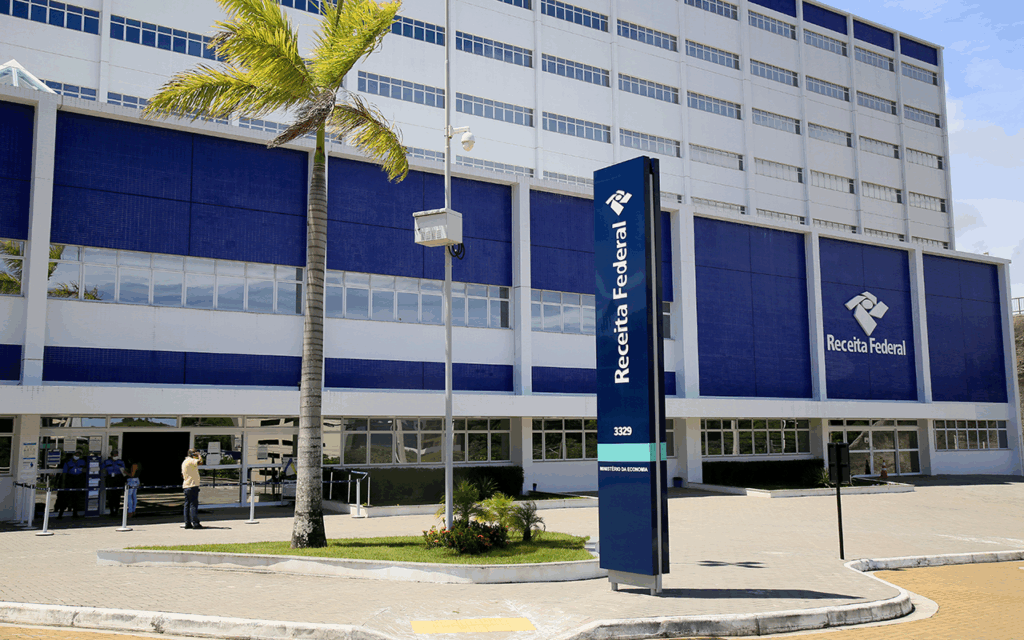
The Brazilian Federal Revenue Service (RFB) has designated DCTFWeb as the filing channel for reporting the Brazilian QDMTT (Brazil’s domestic top-up tax under Pillar Two). Taxpayers must report these amounts by the end of June 2026, with payment expected to be due by the last business day of July 2026. Despite this formalization, technical gaps […]
LC 224/2025: Reduction of Tax Incentives and Increase in the Tax Burden

A recent Complementary Law introduces a 10% reduction across various federal tax incentives, effective as of 2026. The legislation also restricts the attractiveness of the presumed profit regime for larger companies, increases taxation on Interest on Net Equity (JCP), and imposes structural constraints on the future expansion of tax benefits, resulting in a significantly higher […]
São Paulo Court Upholds Fiduciary Security, Barring Refund Claims by Defaulting Buyers

The São Paulo State Court of Justice (TJSP) has reaffirmed the strength of fiduciary transfer of title in real estate transactions. In a recent ruling, the Court denied a defaulting buyer’s attempt to terminate a purchase agreement and recover previously paid amounts, prioritizing specialized real estate financing laws over general consumer protection rules. Prevalence of Special Legislation […]