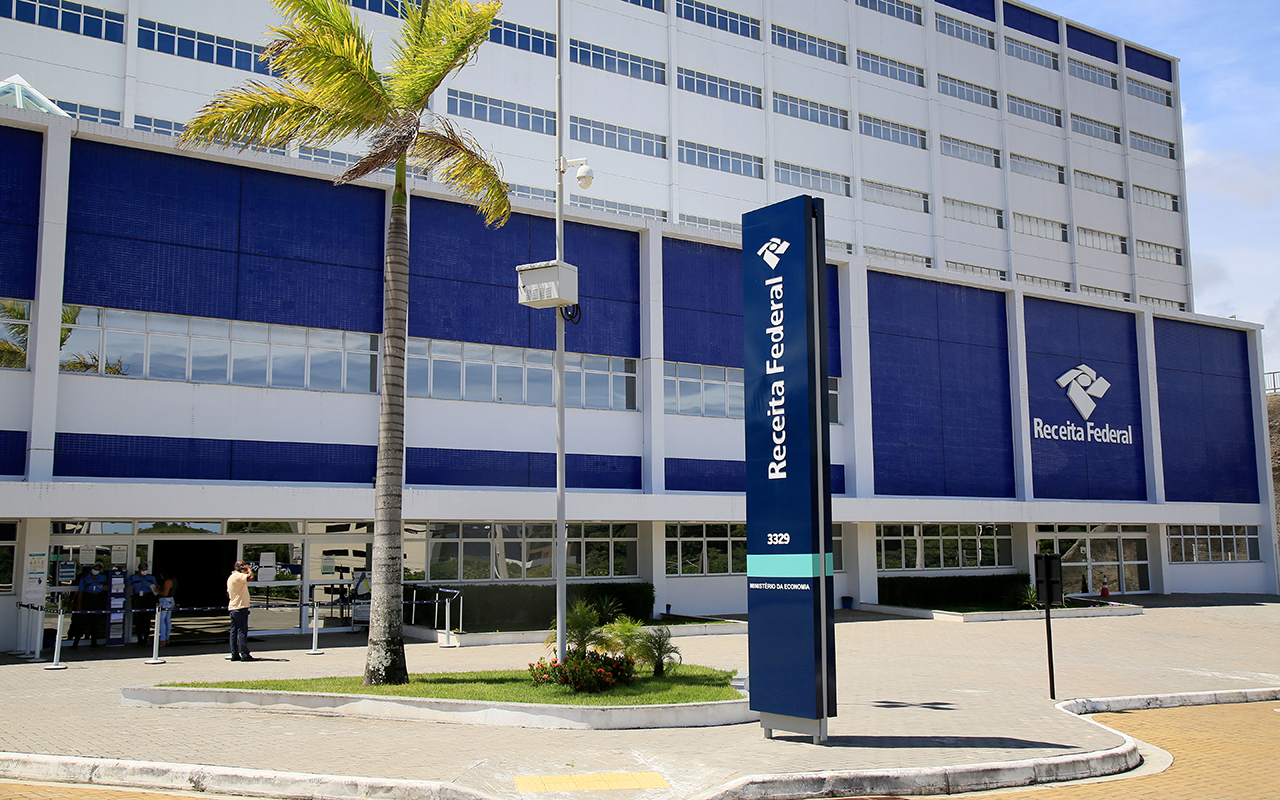
The Brazilian Federal Revenue Service (RFB) has designated DCTFWeb as the filing channel for reporting the Brazilian QDMTT (Brazil’s domestic top-up tax under Pillar Two). Taxpayers must report these amounts by the end of June 2026, with payment expected to be due by the last business day of July 2026. Despite this formalization, technical gaps remain in the DCTFWeb layout and filing instructions, requiring close coordination across Brazilian and global tax functions.
Detailed Analysis
- New Reporting Deadlines and Regulatory Framework
On 6 April 2026, the RFB enacted Normative Instruction RFB No. 2,319/2026, clarifying the reporting procedures for the QDMTT within the scope of Pillar Two rules in Brazil. This guidance complements Normative Instruction RFB No. 2,228/2024, which established the payment deadline as the seventh month following the fiscal year-end (i.e., by the end of July 2026).
- Practical Implementation and Systems Integration
To facilitate collection, the RFB also introduced Revenue Code 1809 through CODAR Executive Declaratory Act No. 12/2026. These measures integrate Pillar Two into the existing federal tax compliance framework, with the Brazilian QDMTT processed through standard filing mechanisms.
- Current Technical Challenges and Risks
While the deadlines are now clear, the DCTFWeb layout and manuals have not yet been updated to reflect the specific features of the surcharge calculation. This technical gap creates several risks:
- Limited Operational Guidance
Lack of detailed guidance on how the return should be completed and how to navigate the system’s requirements.
- Implementation Challenges
Potential for diverging interpretations and errors given the tight timeline for the first year of implementation.
- Increased Compliance Burden
The compressed timeline for the first year of Pillar Two places a significant burden on multinational groups.
The publication of this rule represents a meaningful step forward, reducing uncertainty surrounding the operationalization of the minimum tax. However, the absence of detailed technical instructions remains a hurdle that could compromise predictability and legal certainty. In this context, affected multinational groups should begin preparing now, aligning Brazilian and global tax functions while closely monitoring further guidance from the RFB.
Glossary:
Pillar Two – global minimum tax framework developed by the Organization for Economic Co-operation and Development to ensure that large multinational groups are subject to a minimum effective tax rate of 15% in each jurisdiction where they operate.
DCTFWeb (Federal Declaration of Tax Debts and Credits) – Brazilian electronic tax return used to report and settle federal tax liabilities, including payroll-related charges and, under recent guidance, the CSLL Surcharge for Pillar Two purposes.
CSLL (Social Contribution on Net Income) – Brazilian federal tax levied on corporate net income, similar in function to corporate income tax, but governed by a distinct legal framework.
QDMTT – enacted in Brazil as an additional levy on the CSLL introduced as Brazil’s domestic mechanism to implement the Pillar Two global minimum tax (top-up tax).
Normative Instruction – binding administrative act issued by the Brazilian Federal Revenue Service to regulate the application and interpretation of federal tax rules.
Revenue Code 1809 – specific payment code established by the Brazilian Federal Revenue Service for the collection of the CSLL Surcharge.
CODAR (Coordination of Revenue Collection and Collection Systems) – department within the Brazilian Federal Revenue Service responsible for managing tax collection procedures and payment systems.
Executive Declaratory Act – administrative act issued by the Brazilian tax authorities to implement operational aspects of tax rules, such as creating payment codes or defining procedural requirements.